
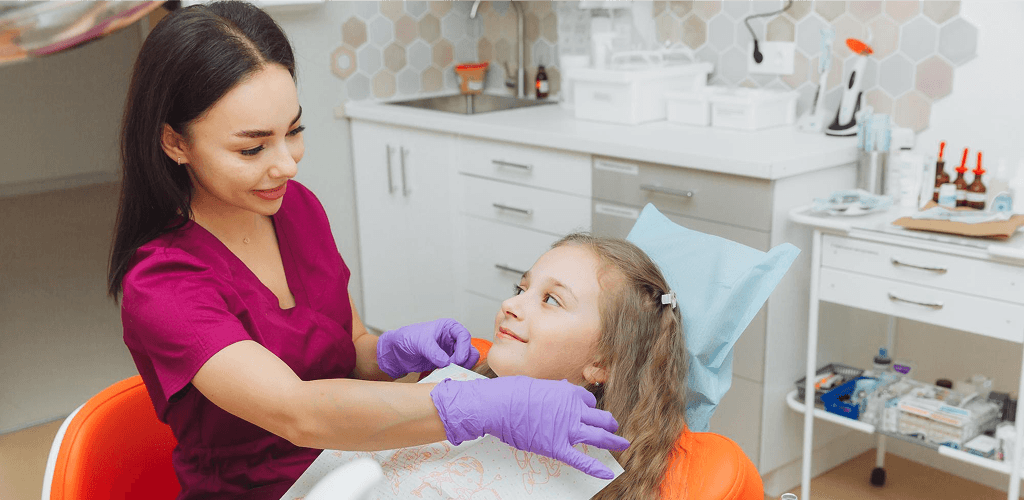
Your child’s first dental visit represents more than just a check-up—it’s the foundation for their lifelong relationship with oral health. As a parent in Durban, you want to ensure this experience is positive, setting the stage for years of healthy dental habits and comfortable visits.
The prospect of that first appointment often raises questions: When should it happen? What will occur during the visit? How can you prepare your child? This comprehensive guide answers these questions and more, helping you approach your child’s dental debut with confidence.
When to Schedule Your Child’s First Dental Visit
The South African Dental Association and international pediatric dental experts recommend that children have their first dental visit by their first birthday or within six months of their first tooth erupting—whichever comes first.
Why So Early?
Many parents are surprised by this early recommendation. After all, babies only have a few teeth at that age. However, early visits serve several important purposes:
1. Establishing a Dental Home
Starting early allows your child to build familiarity and comfort with the dental environment before any potential problems arise. When dental visits are routine from the beginning, they’re far less intimidating.
2. Catching Problems Early
Baby bottle tooth decay, thumb-sucking issues, and developmental concerns can be identified and addressed before they become serious problems. Early intervention is almost always simpler and less invasive than waiting until issues become obvious.
3. Educating Parents
First visits focus heavily on parent education. Your pediatric dentist will guide you on proper brushing techniques for babies, discuss nutrition’s impact on dental health, address pacifier use, and answer any questions you have about your child’s oral development.
4. Preventing Future Anxiety
Children who start dental visits early typically experience less anxiety than those whose first visit happens because of pain or a problem. Regular visits normalize dental care as part of life rather than something scary or unusual.
What to Expect at the First Visit
Understanding what happens during that initial appointment helps both you and your child feel more prepared.
The Gentle Introduction
Most pediatric dentists structure first visits to be brief and non-invasive. The primary goals are building comfort and conducting a baseline assessment, not performing complex procedures.
1. Meeting the Team
You’ll meet the dentist and dental hygienists who will work with your child. They’ll likely engage your child through friendly conversation, showing them around and explaining equipment in age-appropriate terms.
2. The “Knee-to-Knee” Examination
For very young children, the dentist might use a technique called a knee-to-knee exam. You sit facing the dentist with your knees touching, and your child lies back with their head on the dentist’s lap. This position allows the dentist to see clearly while you maintain physical contact with your child, providing comfort and security.
3. Visual Inspection
The dentist will examine your child’s teeth, gums, and overall oral development. They’re checking for cavities, assessing tooth eruption patterns, looking at bite alignment, and identifying any concerns about jaw growth or development.
4. Gentle Cleaning (If Appropriate)
Depending on your child’s age, comfort level, and cooperation, the hygienist might do a gentle cleaning. This is often done with a soft cloth or small toothbrush rather than the traditional tools used for older children and adults.
5. Fluoride Application (If Needed)
If appropriate for your child’s age and risk factors, a fluoride treatment might be applied. This strengthens tooth enamel and helps prevent cavities.
The Educational Component
A significant portion of that first visit involves teaching you proper care techniques:
1. Brushing Demonstration
The hygienist will show you the correct way to brush your child’s teeth, including proper positioning, appropriate pressure, and how to reach all surfaces.
2. Dietary Guidance
You’ll receive information about foods and drinks that support dental health versus those that increase cavity risk. This includes guidance on bottle use, sippy cups, and juice consumption.
3. Habit Discussion
If your child uses a pacifier or sucks their thumb, the dentist will discuss potential impacts and when these habits should be addressed.
4. Fluoride and Supplements
Depending on your water supply and your child’s risk factors, you might discuss fluoride supplements or treatments.
Preparing Your Child for Success
Your approach before and during that first visit significantly influences your child’s experience and attitude toward future dental care.
Age-Appropriate Preparation
1. For Infants and Young Toddlers (Under 2)
Keep things simple. Choose a time when your child is well-rested and fed. Bring a comfort object if they have one. Your calm presence matters more than any explanation at this age.
2. For Toddlers (2-3)
Use simple, positive language. Explain that the dentist will “count your teeth” or “make sure your smile is healthy.” Read age-appropriate books about visiting the dentist. Practice opening wide and letting you look in their mouth at home.
3. For Preschoolers (4-5)
Provide more detailed but still positive explanations. Emphasize what they’ll experience (sitting in a special chair, seeing bright lights, opening wide) rather than what might happen. Let them ask questions but don’t over-explain or introduce worries they haven’t thought of.
What to Avoid
Certain approaches, though well-intentioned, can backfire:
1. Don’t Use Dental Visits as Threats
Never say things like “If you don’t brush, the dentist will have to drill your teeth” or “You’ll need shots if you eat too much candy.” This creates fear associations.
2. Avoid Negative Language
Words like “hurt,” “pain,” “shot,” “drill,” and “pull” introduce anxiety. Pediatric dentists use child-friendly terminology—let them lead on language.
3. Don’t Share Your Own Fears
If you had negative dental experiences, keep them to yourself. Your child doesn’t need to inherit your anxieties.
4. Skip the Bribery
Saying “If you’re good, I’ll buy you a toy” implies that dental visits are terrible ordeals requiring compensation. Instead, celebrate courage and cooperation afterward.
The Power of Play
Role-playing can help children feel more comfortable with what’s coming:
- Play dentist at home, taking turns being the dentist and patient
- Use a toothbrush to “count” each other’s teeth
- Use a toothbrush to “count” each other’s teeth
- Let them examine their stuffed animals’ teeth
Let them examine their stuffed animals’ teeth
Common First Visit Concerns
My Child Won’t Sit Still
Pediatric dentists are experts at working with wiggly, curious, and sometimes uncooperative children. They have techniques and patience specifically developed for this challenge. If your child has difficulty sitting still, the dental team will work within those limitations, even if it means only accomplishing a basic look rather than a full examination. The goal is positive experience first, comprehensive care second.
What If My Child Cries?
Many children cry during first visits, especially if they’re young. This is normal and expected. Pediatric dental teams see this daily and have strategies to comfort children and proceed gently. Crying doesn’t mean the visit is a failure—it means your child is expressing big feelings in a new situation, which is developmentally appropriate.
Will They Find Cavities?
It’s possible, though most first visits for young children don’t reveal major problems. If issues are found, the dentist will explain them clearly, discuss treatment options, and work with you to create a plan. Early detection typically means simpler intervention.
Can I Stay With My Child?
Absolutely. Especially for first visits and young children, parents typically remain in the room. Your presence provides comfort and security. As children grow older and more comfortable, they might prefer you to step out, but that’s their choice, not a requirement.
Building on That First Visit
The first appointment is just the beginning of your child’s dental journey. The habits and attitudes established now shape their approach to oral health for life.
Establishing a Schedule
After that first visit, your pediatric dentist will recommend a schedule for ongoing care. Most children should see the dentist every six months, though some—those at higher risk for cavities or with specific concerns—might need more frequent visits.
Regular visits allow the dental team to:
- Monitor dental development and tooth eruption
- Catch and address issues early
- Provide professional cleanings
- Continue parent and child education
- Build ongoing comfort and familiarity
Home Care Consistency
Professional dental care is important, but daily home care is where oral health is truly maintained. After that first visit, apply what you learned:
1. Brush Twice Daily
Use a soft-bristled child’s toothbrush and a rice-grain-sized amount of fluoride toothpaste for children under 3, increasing to a pea-sized amount after age 3.
2. Make It Routine
Consistency matters more than perfection. Brush at the same times each day—typically after breakfast and before bed—so it becomes habitual.
3. Supervise Thoroughly
Children lack the dexterity for proper brushing until around age 7 or 8. Even after they can physically brush, supervision ensures they’re doing it well. Many children rush or skip difficult-to-reach areas.
5. Limit Sugar and Acid
Between meals, offer water rather than juice or sugary drinks. When sweet treats happen, follow them with water or have children brush soon after. Limit acidic drinks like sodas that erode enamel.
Creating Positive Associations
Your attitude toward dental care shapes your child’s attitude. When you treat visits as normal, important, and even positive parts of life, your child will likely adopt that perspective.
1. Celebrate, Don’t Compensate
After visits, acknowledge your child’s courage and cooperation: “You did such a great job sitting still!” or “I’m proud of how you opened wide for Dr. Gafoor!” This focuses on their behavior rather than implying the visit was terrible.
2. Read Dental Books
Integrate dental health into storytime with age-appropriate books about visiting the dentist, brushing teeth, or characters who learn to overcome dental fear.
3. Normalize Conversations
Talk about teeth health as casually as you discuss other health topics. When you brush your own teeth, narrate what you’re doing and why.
Choosing the Right Pediatric Dentist in Durban
Not all dental practices are equally equipped for children’s specific needs. When selecting a pediatric dentist, consider:
Training and Experience
Pediatric dentists complete additional years of specialized training focused on children’s dental development, behavior management, and age-specific treatment needs. This expertise makes a significant difference in both the quality of care and the experience for children and parents.
Child-Friendly Environment
The practice should feel welcoming to children. This includes:
- Age-appropriate decor and waiting areas
- Staff who are genuinely warm and patient with children
- Equipment sized and designed for small mouths
- Flexible appointment scheduling to accommodate families
Communication Style
The dentist and staff should communicate clearly with you and appropriately with your child. They should:
- Explain procedures in terms you understand
- Answer questions thoroughly
- Listen to your concerns without dismissing them
- Use age-appropriate language with children
- Welcome your presence during appointments
Medical Aid Acceptance
Practical matters like medical aid acceptance affect your ability to maintain regular care. Look for practices that work extensively with medical aid providers and can help you understand coverage.
Note: While dental practices can provide guidance on typical coverage, medical aid benefits vary significantly based on your specific plan and any exclusions. Coverage may sometimes differ from what was initially indicated, so it’s important to verify benefits directly with your medical aid provider.
When Problems Arise: Emergency Dental Care for Children
Even with excellent preventive care, dental emergencies can happen. Knowing how to handle them protects your child’s oral health and reduces panic.
Common Pediatric Dental Emergencies
1. Knocked-Out Tooth
For baby teeth, don’t try to reinsert—this can damage developing permanent teeth underneath. Control bleeding with gauze and contact your dentist. For permanent teeth, try to reinsert gently or keep the tooth moist in milk while getting immediate dental care.
2. Cracked or Broken Tooth
Rinse the mouth with warm water, apply cold compress if there’s swelling, and contact your dentist. Even seemingly minor chips should be evaluated to prevent further damage or infection.
3. Severe Toothache
Floss gently to ensure no food is trapped, rinse with warm water, and give age-appropriate pain medication. Contact your dentist promptly as pain indicates an underlying issue needing treatment.
4. Object Stuck Between Teeth
Try gentle flossing to remove it. Never use sharp objects that could damage gums. If you can’t remove it, contact your dentist.
Finding Emergency Care
Ask your pediatric dentist about their emergency protocol when you establish care. Many practices provide emergency contact information or reserve time for urgent cases. Knowing the plan before emergencies arise reduces stress when they happen.
The Long-Term Impact of That First Visit
The significance of your child’s first dental visit extends far beyond that initial appointment. Children who have positive early dental experiences:
- Develop healthy oral hygiene habits that last into adulthood
- Experience less dental anxiety throughout life
- Require less invasive dental treatment due to better prevention
- Maintain better overall health, as oral health connects to general wellbeing
By prioritizing that first visit and the care that follows, you’re giving your child a genuine gift—the foundation for a lifetime of healthy, confident smiles.
Taking the Next Step
If your child hasn’t had their first dental visit yet, now is the time to schedule it. Don’t wait for a problem to prompt action. Preventive care is always easier, more comfortable, and less expensive than treatment after issues develop.
If your child hasn’t had their first dental visit yet, now is the time to schedule it. Don’t wait for a problem to prompt action. Preventive care is always easier, more comfortable, and less expensive than treatment after issues develop.
Your child’s oral health journey begins with this first step. By choosing a caring pediatric dentist, preparing your child appropriately, and maintaining consistent home care, you’re setting them up for success that will benefit them for decades to come.
The earlier you start, the easier the journey becomes. Your child’s smile—and their lifelong relationship with dental health—starts now.